Preparing Your Business for Seasonal Freight Challenges in Vancouver, WA


Understanding Seasonal Freight Challenges
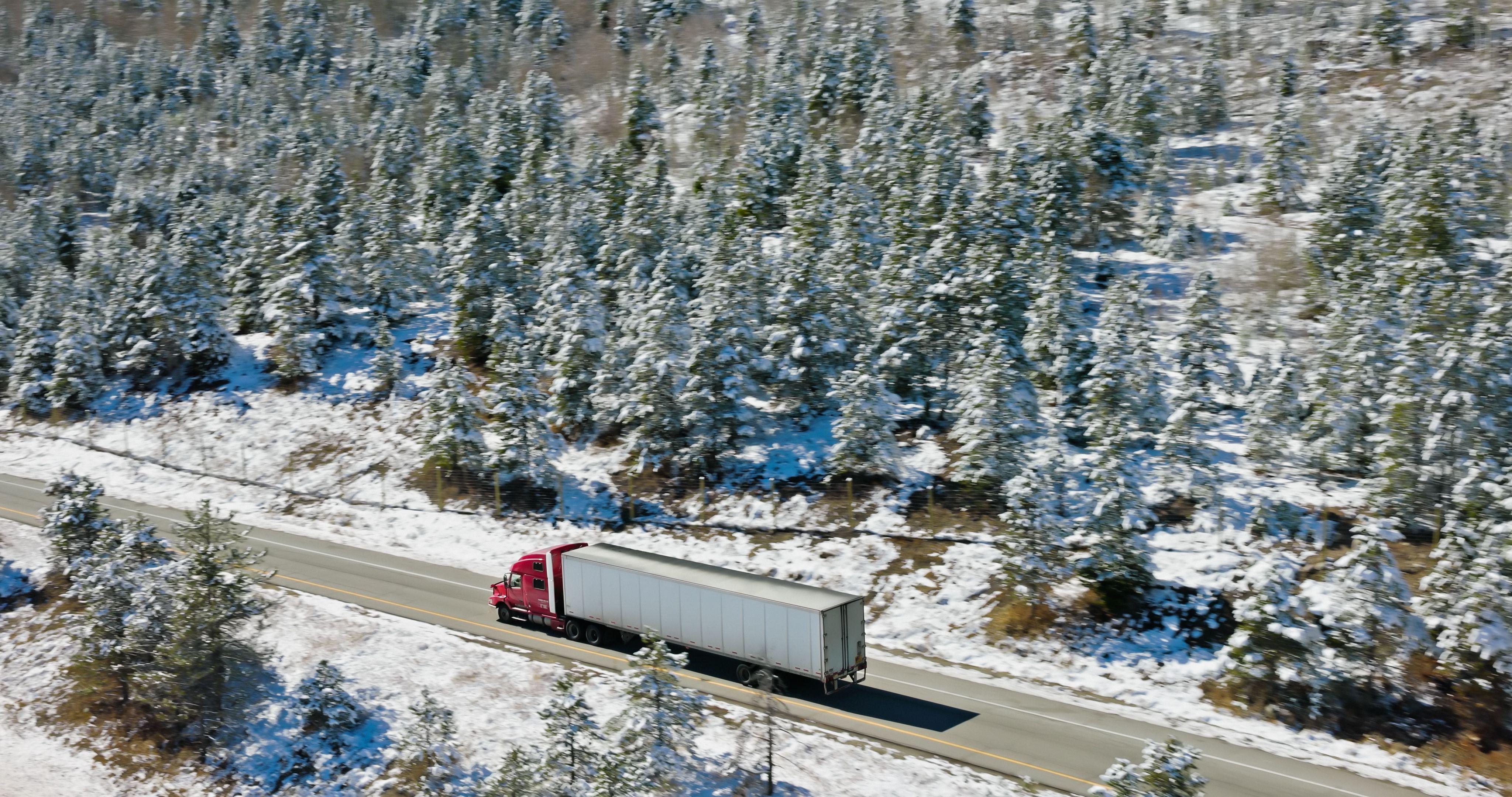
Businesses in Vancouver, WA, face unique challenges with seasonal freight due to fluctuating weather conditions and demand patterns. The winter months, in particular, can bring snow and ice, impacting transportation routes and delivery schedules. It's essential for businesses to anticipate these challenges and develop strategies to mitigate their effects.
Analyzing Historical Data
One of the first steps in preparing for seasonal freight challenges is analyzing historical data. Look at past years to identify trends in demand and the types of disruptions experienced. This data can provide valuable insights into when to expect potential delays and how to plan accordingly.
Consider creating a detailed log of previous years' shipping times, weather impacts, and customer demand. This information can help you predict future challenges and adjust your strategies proactively.
Optimizing Supply Chain Management
Effective supply chain management is crucial during peak seasons. Businesses should focus on strengthening relationships with carriers and logistics providers to ensure they can handle increased demand. It's also wise to explore multiple shipping options to maintain flexibility.
Consider leveraging technology to improve your supply chain visibility. Real-time tracking and communication tools can help you monitor shipments and address any issues promptly, reducing the risk of delays.

Investing in Seasonal Inventory
Stocking up on inventory before the peak season can prevent potential shortages. Analyze your product demand cycles and adjust purchasing decisions accordingly. This strategy not only helps meet customer expectations but also minimizes the impact of shipping delays.
Work closely with suppliers to ensure timely deliveries and consider diversifying your supplier base to reduce dependency on a single source. This diversification can provide a buffer against unforeseen disruptions.
Enhancing Customer Communication
Transparent communication with your customers is vital during periods of potential disruption. Inform them about possible delays and provide regular updates on their orders. Clear communication builds trust and helps manage customer expectations effectively.

Utilize multiple communication channels such as email, social media, and website updates to keep your customers informed. Being proactive in your communication can significantly enhance customer satisfaction.
Preparing for Weather-Related Disruptions
Weather-related disruptions are a common seasonal challenge. Businesses should have contingency plans in place, such as alternative routes or backup carriers, to ensure continuity of operations. Investing in weather monitoring tools can also provide real-time updates and help in decision-making.
Regular training sessions for your logistics team on handling weather-related challenges can improve their responsiveness and efficiency. Preparedness is key to minimizing the impact of such disruptions.
By understanding and preparing for these seasonal freight challenges, businesses in Vancouver, WA, can ensure smoother operations and maintain customer satisfaction year-round. Strategic planning and proactive measures are essential components of successful seasonal freight management.